
How to grow maize in Nigeria: spacing, seed rate and fertilizer
By Onims Agro 5 min read
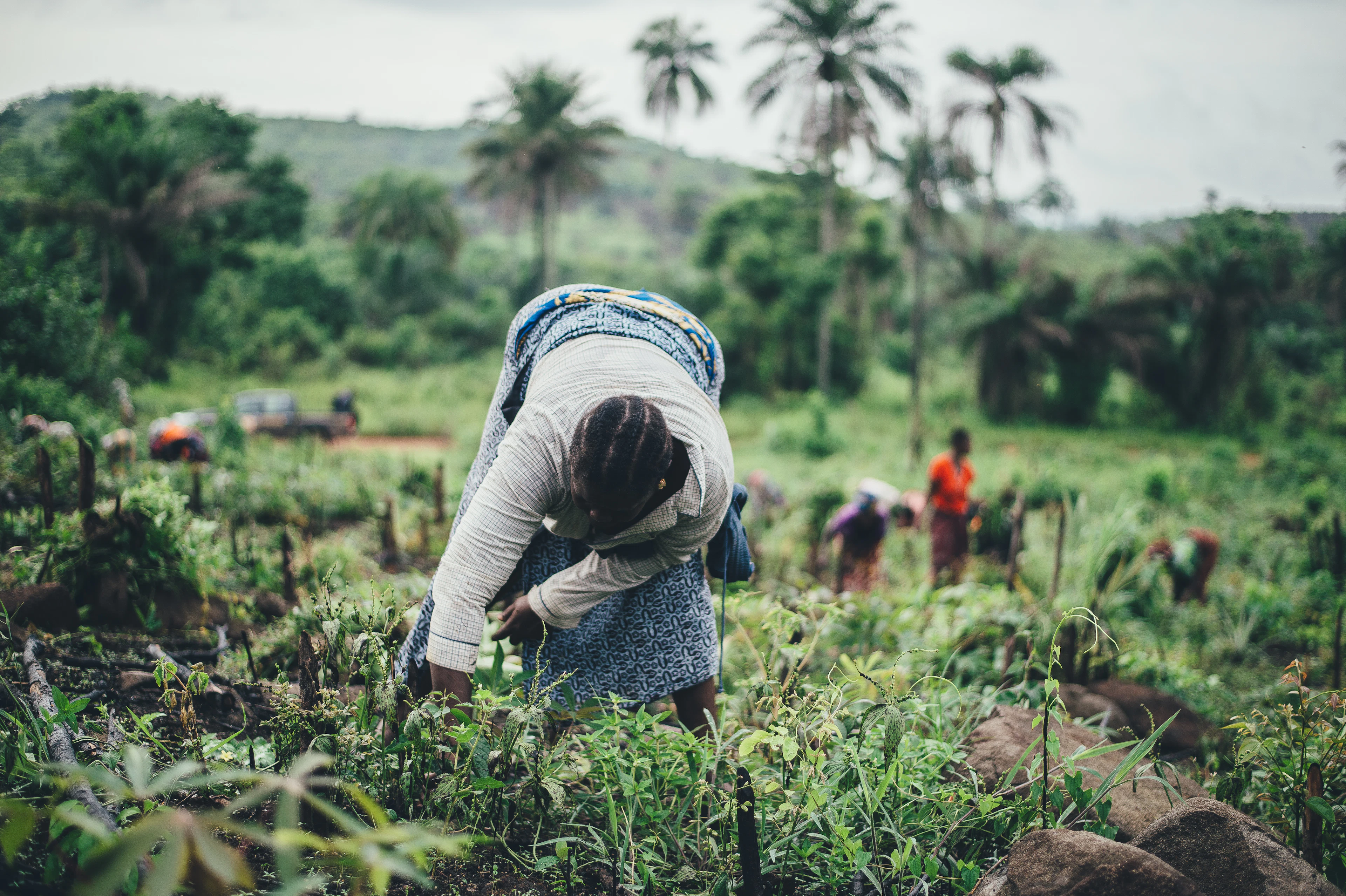
Maize rewards good timing and the right amount of fertilizer. This guide brings together the spacing, seed rate and fertilizer advice from Nigeria's agricultural extension service (NAERLS), IITA and seed companies, with the numbers worked out per hectare and per acre.
1. Choose good seed
Buy improved seed from a trusted seed company rather than replanting grain from last season. Early and extra-early varieties suit places with a short rainy season, such as the Sudan savanna in the far north. Ask your seller or extension officer which varieties do well in your area.
2. Plant into moist soil
Plant once the rains have properly started in your area and the soil is moist. Seed planted into dry soil may not come up evenly. Planting times differ from the south to the north, so check the usual window for your zone with your local extension officer.
3. Spacing and seed rate
- Spacing: ridges 75 cm apart and plants 25 cm apart, one seed per hole. If you plant two seeds per hole, space the holes 50 cm apart instead.
- Plants: 75 cm × 25 cm gives about 53,000 plants per hectare (about 21,500 per acre).
- Seed: about 20–25 kg per hectare (8–10 kg per acre), depending on seed size. NAERLS gives 15–20 kg per hectare.
4. Fertilizer: two doses
Maize needs most of its nitrogen in two doses: one at planting and one a few weeks later.
| When | What | Per hectare | Per acre |
|---|---|---|---|
| At planting or within the first week | NPK 15-15-15 | 6 bags (50 kg) | about 2½ bags |
| 4–5 weeks after planting | Urea (top dressing) | 2 bags (50 kg) | about 1 bag |
- In the Sudan savanna, top-dress extra-early varieties sooner, at 3–4 weeks after planting.
- On sandy soils, split the top dressing into two smaller doses so less is washed away.
- Put fertilizer beside the plants, not directly on the seed, and cover it with soil.
- Some guides use other blends, for example NPK 20-10-10 at planting. The best rate for your farm depends on your soil, so a soil test is worth it if you farm a large area.
5. Keep weeds and pests down
Weeds compete hardest while maize is young, so keep the field clean in the first weeks. Walk your field often and look for fall armyworm, which can destroy young maize quickly: see how to spot and control fall armyworm.
6. Harvest and dry well
Harvest when the husks have dried and the grain is hard. Dry the grain well before storing it, to about 13% moisture, so it does not grow mould or attract weevils. See how to store maize without weevils.
These are general recommendations. Rates and timing can differ with your soil, variety and rainfall. For advice on your own farm, book a consultation with our agronomists.
Ready to put this into practice?
Shop maize seed and fertilizer
