
How to store maize and beans without weevils or chemicals
By Onims Agro 4 min read
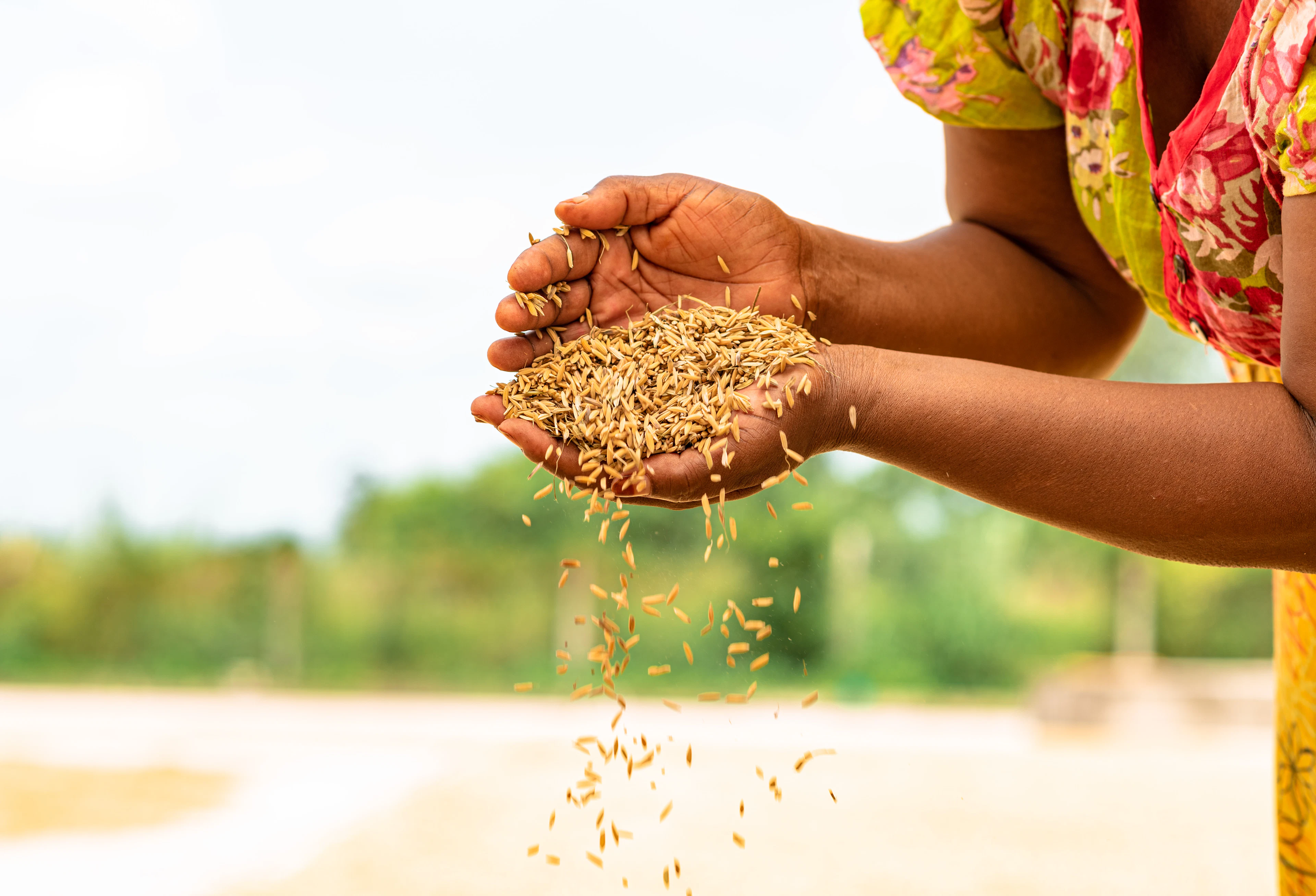
Weevils and mould can destroy a good harvest in storage. Two things stop them without chemicals: drying the grain properly, and sealing it so no air gets in. Airtight (“hermetic”) bags such as PICS bags, developed by Purdue University, do the sealing.
Why airtight bags work
Insects and grain inside a sealed bag use up the oxygen. Without fresh air coming in, weevils and other insects cannot survive or breed, and mould struggles to grow. PICS bags have three layers: two thick plastic liners inside a woven outer bag.
Step 1: dry the grain first
- Dry maize to about 13% moisture before bagging. Purdue's PICS team recommends this to keep grain safe and able to germinate.
- Below about 14–15% there is little risk of mould and aflatoxin, the poison some moulds make.
- Wet grain is not saved by an airtight bag. In trials, maize bagged at 21–24% moisture lost most of its ability to germinate within weeks.
- A moisture meter gives the most reliable reading. Many farmers also use the salt test: put a handful of grain and a spoon of dry salt in a dry, sealed bottle, shake it and leave it for 15 minutes. If the salt sticks to the bottle, the grain is still too wet.
Step 2: fill and seal the bag
- Check the bags for holes. Put the first liner inside the second, and both inside the woven bag.
- Fill the inner liner with clean, dry grain, shaking it down so there is little air space.
- Squeeze out the air, twist the neck of the inner liner tightly, fold it over and tie it firmly.
- Do the same with the second liner, then tie the woven outer bag.
Step 3: store it well
- Keep the bags off the floor, on pallets or planks, in a dry, shaded place.
- Protect them from rats and mice, which can chew holes in the bags.
- Do not open the bags often. Each opening lets fresh air back in, and research shows repeated opening increases mould, especially in grain that is not fully dry.
- Bags without holes can be used again next season.
Storing more than a few bags?
For larger harvests, a dry, secure warehouse protects your grain from weather, pests and theft, and lets you sell when prices are better. See our warehouses.
To grow the maize in the first place, read how to grow maize in Nigeria.